






Discovering the hidden costs of gambling at casinos

The Allure of Casinos: Beyond the Surface
Casinos present an enticing environment filled with bright lights, lively sounds, and the promise of fortune. This captivating atmosphere often leads individuals to overlook the substantial costs associated with gambling. People frequently travel to these gaming establishments with the expectation of winning; however, they may not realize that the experience comes with hidden expenses that can add up quickly, especially when they consider options like the $10 neosurf deposit casino that can enhance their gaming experience. Many players assume that the only costs involved are their initial buy-ins or wagers, neglecting to consider ancillary costs that contribute to their overall spending.
For instance, aside from the funds wagered, gamblers often spend money on food and beverages—often priced significantly higher than at regular restaurants. Additionally, there are costs related to travel, accommodations, and entertainment. Many casinos offer extravagant shows and experiences that can entice players to spend more than they initially planned. The excitement of the casino environment can lead to impulsive decisions, causing individuals to stray from their budget and incur further costs.
Moreover, there’s a psychological aspect to consider. The thrill of chasing losses can prompt gamblers to keep playing in hopes of a big win. This mindset often leads to budgeting miscalculations, which can dismantle financial stability quickly. Understanding the allure of casinos, combined with their hidden costs, is crucial for anyone contemplating a visit to a gaming house, as it helps establish a more informed approach to gambling.
Understanding the Odds: House Edge and Rake
An essential element of casino gambling that contributes to hidden costs is the concept of the house edge. Every game in a casino has a mathematical advantage for the house, meaning that over time, the casino is likely to win more than the players. For instance, in games like roulette or blackjack, the odds are designed to favor the house, resulting in a guaranteed profit margin for the casino. This house edge represents a significant hidden cost that players may overlook.
Additionally, poker players should be aware of the rake, which is a percentage of each pot collected by the casino. While this is often less visible than the house edge in other games, it still represents a cost that impacts a player’s overall profitability. Players may find themselves losing money not just to other players but also to the casino through rakes. Understanding these elements of casino games is crucial for making informed decisions and evaluating the true cost of gambling.
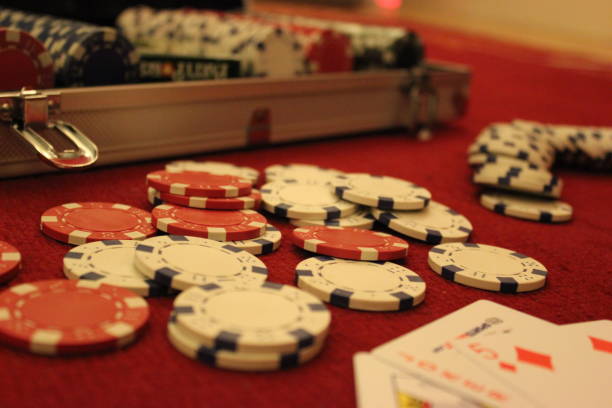
It’s vital for players to approach their gambling experience with a clear understanding of these odds. They must recognize that, while the potential for winning exists, the reality is that the longer they play, the more likely they are to experience losses. Comprehending the house edge and rake can empower players to make wiser choices and help mitigate the hidden costs associated with gambling.
Emotional and Psychological Costs of Gambling
Gambling is not just a financial endeavor; it also involves emotional and psychological investments that can lead to hidden costs. The thrill of winning can create euphoric highs, while losing can lead to depression and anxiety. Many gamblers find themselves trapped in a cycle of highs and lows, where the emotional rollercoaster can lead to irrational decision-making. This aspect of gambling often goes unnoticed but plays a critical role in the true cost of casino experiences.
Furthermore, the social environment of casinos can exacerbate these emotional costs. Friends and companions may influence betting behaviors, resulting in peer pressure to gamble more than planned. Social outings in casinos often escalate into spending more on drinks, meals, or entertainment, leading to additional expenses that were not initially part of the gambling budget. This social dynamic can obscure the financial implications of one’s choices, creating a situation where individuals may spend much more than they anticipated.
Moreover, gambling addiction can arise from these emotional and psychological pressures. Individuals may feel compelled to continue gambling to recoup losses, leading to even larger debts and financial strain. Recognizing these emotional costs and seeking help if needed is essential for anyone who regularly engages in gambling activities. Awareness of the broader ramifications can not only protect one’s finances but also promote mental well-being.
The Impact of Compulsive Gambling and Debt Accumulation
Compulsive gambling represents one of the most significant hidden costs associated with casino gambling. Many individuals start gambling as a form of entertainment but may inadvertently slip into compulsive habits that can lead to severe consequences. The excitement of potential winnings can create a powerful desire to keep betting and chasing losses, eventually leading to significant financial problems. In severe cases, individuals may exhaust their savings or go into debt just to fund their gambling activities.
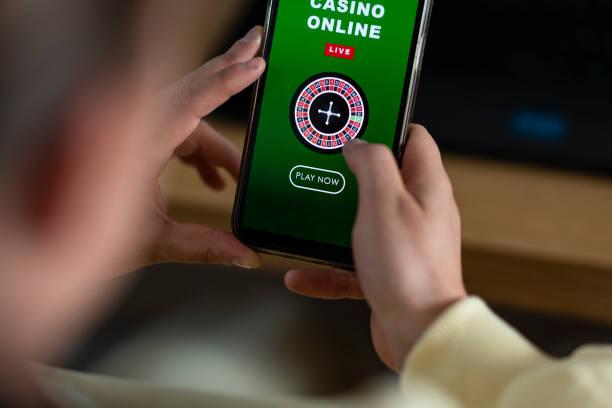
The repercussions of gambling addiction can extend beyond personal finances, affecting relationships and overall quality of life. Families often bear the burden of a loved one’s gambling struggles, leading to emotional distress, conflict, and sometimes, estrangement. Individuals may find themselves lying about their gambling habits or hiding debts, intensifying feelings of isolation and shame. This cycle of denial and desperation can create a cascade of hidden costs that are not easily measurable in monetary terms.
Seeking help for gambling addiction is vital for those who recognize the toll it takes on their lives. Support groups and counseling can provide necessary resources for individuals to regain control over their gambling behaviors. Acknowledging the hidden costs associated with gambling, both financial and emotional, is the first step toward healing and recovery. Individuals can work towards a healthier approach to gambling, ensuring it remains an enjoyable activity rather than a destructive habit.
Resourceful Insights for Responsible Gambling
Understanding the hidden costs of gambling is essential for developing responsible gambling practices. Casino-goers should set strict budgets and stick to them, recognizing that the thrill of gaming comes with various hidden expenses. Using tools such as budgeting apps can help individuals keep track of their spending and ensure they remain within their limits. Additionally, educating oneself about the games being played can minimize the impact of the house edge and help players make more informed choices.
Gambling should be viewed as a form of entertainment, and players should approach it with a clear understanding of their financial situation. Setting a dedicated time for gambling sessions can prevent impulsive decisions that can lead to overspending. Moreover, taking breaks during gaming can provide players with a moment to assess their spending and emotions, promoting healthier gambling habits. Awareness of emotional triggers and understanding the social dynamics of gambling can also aid in creating a balanced approach.
Ultimately, being informed about the hidden costs associated with gambling is crucial in maintaining a positive experience at casinos. By adopting responsible gambling strategies, individuals can enjoy their time in gaming establishments without succumbing to the traps that hidden costs present. This proactive mindset can lead to a more enjoyable and sustainable approach to gambling, allowing individuals to appreciate gaming as a source of fun, rather than financial strain.